U.S. Critical Infrastructure Protection Plan 2025: Key Updates
Anúncios
The U.S. Government’s 2025 Critical Infrastructure Protection Plan introduces a multifaceted strategy to bolster national resilience, integrating advanced cybersecurity measures, enhanced physical security protocols, and strengthened public-private partnerships to safeguard vital services.
The U.S. Government has recently unveiled its U.S. Critical Infrastructure Protection Plan for 2025, a monumental step forward in safeguarding the nation’s essential services and systems. This comprehensive strategy is designed to address the increasingly complex and dynamic threat landscape, ensuring the resilience and security of everything from power grids to communication networks.
Anúncios
Understanding the 2025 Critical Infrastructure Protection Plan
The newly introduced 2025 Critical Infrastructure Protection Plan represents a significant evolution in national security strategy. It moves beyond traditional defense mechanisms, adopting a proactive and adaptive approach to protect the foundational elements of American society. This plan acknowledges that the threats facing critical infrastructure are no longer solely physical but encompass a wide spectrum of digital and hybrid attacks.
Anúncios
At its core, the plan seeks to create a unified framework that integrates various governmental agencies, private sector entities, and local communities. This collaborative approach is crucial, recognizing that critical infrastructure is largely owned and operated by the private sector, yet its disruption has widespread public consequences. The strategy emphasizes shared responsibility and coordinated action to achieve a robust defense posture.
Defining Critical Infrastructure: What It Encompasses
Critical infrastructure refers to the assets, systems, and networks, whether physical or virtual, so vital to the United States that their incapacitation or destruction would have a debilitating effect on security, national economic security, national public health or safety, or any combination thereof. The 2025 plan specifically highlights several key sectors:
- Energy: Electrical grids, oil and gas pipelines, power generation facilities.
- Communication: Internet, telephone networks, broadcast systems.
- Water and Wastewater Systems: Treatment plants, distribution networks.
- Healthcare and Public Health: Hospitals, public health agencies, pharmaceutical supply chains.
- Transportation: Airports, railways, ports, highways.
- Financial Services: Banking, securities, payments systems.
The plan’s broad scope ensures that no vital sector is left vulnerable, underscoring the interconnectedness of these systems and the cascading effects a failure in one could have on others. It’s a holistic view of national resilience, built on the understanding that strength lies in unified protection.
Ultimately, this plan is about securing the very fabric of daily life for every American citizen. From turning on the lights to accessing emergency services, the reliability of these systems is paramount. The 2025 plan aims to instill confidence that these essential services will remain operational, even in the face of sophisticated threats.
Enhanced Cybersecurity Measures: A Digital Shield
In an increasingly digital world, cybersecurity forms the bedrock of the 2025 Critical Infrastructure Protection Plan. The plan recognizes that cyber threats are constantly evolving, becoming more sophisticated and pervasive. Therefore, a static defense is insufficient; the new strategy calls for dynamic, adaptive, and predictive cybersecurity measures.
One of the central tenets of this enhanced cybersecurity approach is the promotion of information sharing. This involves creating more secure and efficient channels for intelligence agencies, government bodies, and private sector operators to exchange threat intelligence, best practices, and vulnerability assessments. The goal is to foster a collective defense where knowledge is power, enabling faster response times and proactive mitigation.
The plan also places a strong emphasis on strengthening the cybersecurity workforce. This includes initiatives for training, recruitment, and retention of skilled professionals across both government and industry. A robust human element is critical to implementing and maintaining complex cybersecurity defenses, ensuring that the nation has the talent needed to counter advanced persistent threats.
Key Cybersecurity Initiatives
- Mandatory Reporting: New regulations will require critical infrastructure entities to report cyber incidents promptly, enabling a more coordinated national response.
- Supply Chain Security: Increased scrutiny and standards for the cybersecurity of technology and components used within critical infrastructure, addressing vulnerabilities introduced through third-party vendors.
- Advanced Threat Detection: Investment in cutting-edge technologies like AI and machine learning for predictive threat analysis and rapid anomaly detection across networks.
These initiatives are designed to create a multi-layered digital shield, capable of detecting, deterring, and defending against a wide array of cyberattacks, from ransomware to state-sponsored espionage. The objective is not just to react to breaches but to anticipate and prevent them, minimizing potential disruption to essential services.
The digital landscape is a battleground, and the 2025 plan equips the nation with the tools and strategies necessary to win. By fostering a culture of cybersecurity awareness and implementing rigorous technical controls, the U.S. government aims to build a resilient digital ecosystem that can withstand the pressures of modern cyber warfare.
Strengthening Physical Security and Resilience
While digital threats dominate headlines, the 2025 Critical Infrastructure Protection Plan does not overlook the importance of robust physical security. Many critical infrastructure assets remain vulnerable to physical attacks, natural disasters, and deliberate sabotage. The plan outlines strategies to enhance the physical resilience of these sites, ensuring continuity of operations even in adverse conditions.
This involves a combination of updated security protocols, advanced surveillance technologies, and improved infrastructure design. For example, hardening physical perimeters, deploying drone detection systems, and implementing access control measures are all part of a comprehensive strategy. The focus is on creating layers of defense that can deter, detect, and delay threats, allowing for effective response.
Furthermore, the plan addresses the need for greater resilience against natural hazards. Climate change has exacerbated the frequency and intensity of events like hurricanes, floods, and wildfires, which can severely impact critical infrastructure. The 2025 plan promotes the adoption of climate-resilient designs and operational practices, ensuring that infrastructure can withstand and rapidly recover from environmental shocks.
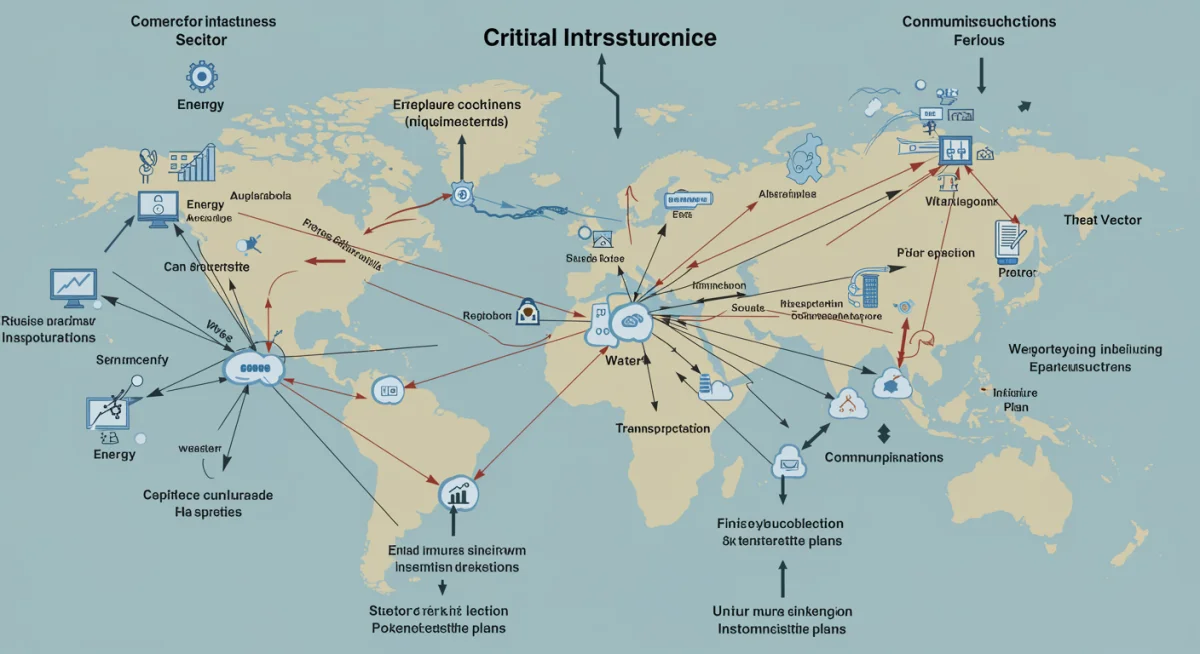
Resilience Against All Hazards
- Terrorism and Sabotage: Enhanced surveillance, access controls, and rapid response capabilities at key facilities.
- Natural Disasters: Climate-resilient infrastructure design, redundancy in systems, and robust emergency response plans.
- Insider Threats: Improved vetting processes, behavioral analysis, and continuous monitoring to mitigate risks from within organizations.
These measures are not just about protecting individual sites but about building a resilient network of interconnected systems. The plan emphasizes the importance of redundancy and diversification, ensuring that if one part of the infrastructure fails, alternative systems can take over, minimizing disruption.
The objective is to create a physical infrastructure that is not only secure but also adaptable and capable of self-healing. By integrating advanced security technologies with resilient design principles, the 2025 plan aims to ensure that the nation’s essential services can endure and recover from any challenge, maintaining stability for citizens.
The Role of Public-Private Partnerships
A cornerstone of the 2025 Critical Infrastructure Protection Plan is the emphasis on robust public-private partnerships. Given that approximately 85% of critical infrastructure in the U.S. is owned and operated by the private sector, effective collaboration between government and industry is not just beneficial—it is essential. The plan seeks to formalize and strengthen these partnerships, creating a seamless defense ecosystem.
These partnerships involve shared responsibilities, resources, and intelligence. The government can provide threat intelligence, regulatory guidance, and technical assistance, while the private sector brings operational expertise, technological innovation, and direct control over critical assets. This synergy allows for a more comprehensive and agile response to threats.
The plan outlines new mechanisms for regular dialogue, joint exercises, and collaborative development of security standards. By fostering an environment of trust and mutual understanding, these partnerships can overcome traditional barriers to information sharing and coordinated action, leading to a more unified and effective protection strategy.
Collaborative Frameworks for Enhanced Security
- Information Sharing and Analysis Centers (ISACs): Expanding the reach and effectiveness of ISACs to facilitate rapid threat intelligence exchange within specific sectors.
- Joint Training and Exercises: Conducting regular drills and simulations involving both government agencies and private companies to test response capabilities and identify vulnerabilities.
- Incentive Programs: Exploring mechanisms to incentivize private sector investment in advanced security technologies and resilient infrastructure.
These collaborative frameworks are designed to build a collective defense where every stakeholder plays a vital role. The government acts as a facilitator and coordinator, providing the overarching strategic direction, while the private sector implements and maintains the day-to-day security operations.
The success of the 2025 plan hinges on the strength of these partnerships. By working together, government and industry can leverage their unique strengths to create a more secure and resilient critical infrastructure landscape, ultimately benefiting all citizens by ensuring the uninterrupted delivery of essential services.
Impact on Citizens: What You Need to Know
The U.S. Critical Infrastructure Protection Plan for 2025 is not just a governmental document; it has direct and significant implications for every American citizen. Understanding these impacts is crucial for appreciating the breadth and importance of this national security initiative. The plan aims to enhance daily life by ensuring the reliability and safety of services we often take for granted.
Primarily, citizens can expect greater stability and reliability in essential services. This means fewer disruptions to power, water, communication, and financial systems due to cyberattacks or physical incidents. The enhanced security measures translate into a more resilient nation, capable of weathering a wider range of threats without widespread societal impact.
Furthermore, the plan also encourages a greater degree of public awareness and participation. While the government and private sector are primarily responsible for implementation, informed citizens can play a role in identifying potential threats and reporting suspicious activities. Educational campaigns will likely be part of the broader strategy to foster a security-conscious populace.
Direct Benefits for the Public
- Enhanced Service Reliability: Reduced likelihood of outages or disruptions in critical services like electricity, water, and internet.
- Improved Emergency Response: Better coordination and communication during crises due to more resilient infrastructure.
- Data Protection: Stronger cybersecurity measures indirectly protect personal data handled by critical infrastructure providers.
The economic benefits are also substantial. A secure critical infrastructure fosters a stable environment for businesses to operate, encouraging investment and economic growth. Disruptions to these systems can cost billions, and the 2025 plan aims to mitigate such economic fallout, protecting jobs and livelihoods.
In essence, the plan is about safeguarding the American way of life. It ensures that the conveniences and necessities of modern society remain accessible and reliable, even in the face of evolving threats. Citizens can take comfort in knowing that significant resources and strategic planning are being dedicated to protecting the foundational elements of their daily existence.
Challenges and Future Outlook for the Plan
While the 2025 Critical Infrastructure Protection Plan sets an ambitious and necessary course, its implementation will undoubtedly face significant challenges. The dynamic nature of threats, the vastness of the infrastructure landscape, and the coordination required across numerous entities present complex hurdles. Success will depend on continuous adaptation and unwavering commitment.
One major challenge is the rapid pace of technological change. New vulnerabilities emerge constantly, and adversaries are always seeking novel ways to exploit them. The plan must be flexible enough to incorporate emerging technologies and defensive strategies quickly, avoiding stagnation in a fast-evolving threat environment. This requires sustained investment in research and development.
Another hurdle is ensuring consistent funding and political will over the long term. Critical infrastructure protection is an ongoing endeavor, not a one-time project. Sustained budgetary allocations and bipartisan support will be essential to maintain the momentum and effectiveness of the plan beyond 2025. The plan envisions a continuous cycle of assessment, adaptation, and improvement to keep pace with threats.
Overcoming Implementation Hurdles
- Technological Adaptation: Regularly updating defense mechanisms to counter zero-day exploits and emerging cyber threats.
- Resource Allocation: Ensuring sufficient funding and trained personnel are available to implement and maintain security measures across all sectors.
- Interagency Coordination: Streamlining communication and operational protocols among diverse government agencies and private sector partners.
The future outlook for the plan is cautiously optimistic. If successfully implemented, it has the potential to significantly elevate the nation’s resilience and security posture. However, it requires vigilance, continuous evaluation, and a willingness to evolve. The plan isn’t a finish line but a new starting point for a more secure future.
Ultimately, the 2025 Critical Infrastructure Protection Plan is a living document, expected to be refined and updated as new challenges arise. Its long-term success will be measured by its ability to protect citizens and maintain the functionality of essential services in an increasingly unpredictable world, fostering a safer and more stable environment for all.
| Key Aspect | Brief Description |
|---|---|
| Cybersecurity Focus | Enhanced digital defenses, mandatory reporting, and supply chain security to counter evolving cyber threats. |
| Physical Security | Updated protocols, advanced surveillance, and climate-resilient designs for infrastructure protection. |
| Public-Private Partnerships | Strengthened collaboration between government and industry for shared responsibility and intelligence. |
| Citizen Impact | Greater stability, reliability of essential services, and improved emergency response for all Americans. |
Frequently Asked Questions About the 2025 Plan
The primary goal is to enhance the resilience and security of U.S. critical infrastructure against a broad spectrum of threats, including cyberattacks, physical sabotage, and natural disasters. It aims to ensure the continuous operation of essential services for all citizens.
The plan covers various vital sectors, including energy, communication, water and wastewater systems, healthcare, transportation, and financial services. These sectors are deemed essential for national security, economic stability, and public safety.
It introduces enhanced cybersecurity measures such as mandatory incident reporting, improved supply chain security, and investment in advanced threat detection technologies. The focus is on a proactive, adaptive defense against evolving digital threats.
Private companies, owning most critical infrastructure, are crucial partners. The plan emphasizes robust public-private partnerships for information sharing, joint exercises, and collaborative development of security standards to ensure a unified defense.
Citizens can expect greater stability and reliability in essential services, fewer disruptions to daily life, and improved emergency response capabilities. The plan aims to secure the foundational elements of society, fostering a safer and more stable environment for everyone.
Conclusion
The U.S. Government’s unveiling of the Critical Infrastructure Protection Plan for 2025 marks a pivotal moment in national security and resilience. This comprehensive strategy, built on pillars of advanced cybersecurity, robust physical security, and essential public-private collaboration, is designed to shield the nation’s vital systems from an ever-growing array of threats. For citizens, this plan promises increased stability, reliability of essential services, and a more secure future in an unpredictable world. Its success hinges on sustained commitment, continuous adaptation, and the collective effort of government, industry, and an informed public.
