Remote Learning & Student Well-being: US Educator Strategies 2025
Anúncios
The impact of remote learning on student well-being necessitates proactive strategies from US educators in 2025, focusing on mental health support, personalized engagement, and digital literacy to foster a positive educational experience.
The landscape of education has undergone a profound transformation, with remote learning becoming an integral part of the academic experience. However, this shift has brought forth significant challenges, particularly concerning the remote learning well-being of students. As we look towards 2025, US educators face the critical task of understanding and addressing these impacts to ensure students thrive, not just academically, but emotionally and socially.
Anúncios
Understanding the Multifaceted Impact on Student Well-being
Remote learning, while offering flexibility, has undeniably altered the traditional educational framework, presenting both opportunities and significant challenges to student well-being. The isolation inherent in virtual environments can lead to feelings of loneliness and detachment, impacting social development and emotional health. Educators must first grasp the depth of these multifaceted impacts to formulate effective interventions.
Anúncios
The lack of consistent in-person interaction removes many of the informal social cues and opportunities for peer bonding that are crucial for adolescent development. This can manifest as increased anxiety, reduced motivation, and even a decline in academic performance. Recognizing these subtle shifts in student behavior and emotional states is the first step toward creating supportive virtual spaces.
Social Isolation and Mental Health Challenges
One of the most prominent concerns associated with remote learning is the potential for increased social isolation, which can directly contribute to mental health challenges among students. The absence of daily face-to-face interactions with peers and teachers can lead to feelings of loneliness, anxiety, and depression. For many students, school is not just a place of learning but a vital social hub.
- Reduced opportunities for spontaneous social interaction.
- Difficulty forming and maintaining friendships in a virtual setting.
- Increased feelings of isolation and loneliness.
- Potential for heightened anxiety and depressive symptoms.
Moreover, the blurring of lines between home and school life can sometimes exacerbate stress, as students may struggle to create boundaries between academic responsibilities and personal time. This constant connectivity, while intended to facilitate learning, can inadvertently lead to burnout and emotional fatigue. Addressing these elements requires a holistic approach that extends beyond mere academic support.
Academic Stress and Engagement Issues
The transition to remote learning has also introduced new forms of academic stress and engagement issues. Students may struggle with self-regulation, time management, and maintaining focus in a home environment that may not always be conducive to learning. The digital divide, too, plays a significant role, as unequal access to reliable internet and appropriate devices can create substantial barriers to learning and increase stress levels.
Furthermore, the shift in teaching methodologies and the increased reliance on digital platforms can be challenging for both students and educators. Some students may thrive in a self-paced, online environment, while others may require more structured, direct instruction to remain engaged and motivated. Understanding these individual differences is crucial for effective remote education.
In conclusion, the impact of remote learning on student well-being is complex, touching upon social, emotional, and academic spheres. Educators must adopt a comprehensive understanding of these challenges to develop strategies that genuinely support students in the evolving educational landscape.
Strategy 1: Prioritizing Mental Health and Emotional Support
As US educators navigate the complexities of remote learning in 2025, a paramount strategy involves the explicit prioritization of mental health and emotional support for students. This goes beyond reactive measures, aiming for proactive and integrated approaches that create a resilient learning community. Recognizing that academic success is intricately linked to emotional well-being is fundamental.
Establishing clear pathways for students to access mental health resources, both within the school system and through external partnerships, is essential. This includes promoting awareness of available services and destigmatizing seeking help. A supportive environment begins with open communication and a culture of care.
Implementing Regular Well-being Check-ins
Regular well-being check-ins are a cornerstone of effective mental health support in remote settings. These can take various forms, from brief individual conversations during virtual office hours to anonymous online surveys that gauge student sentiment. The goal is to create consistent touchpoints where students feel seen and heard, allowing educators to identify early signs of distress.
- Weekly one-on-one virtual check-ins with students.
- Anonymous mood surveys or quick polls at the start of classes.
- Dedicated virtual “check-in” time during the week for open discussion.
- Training for educators on recognizing signs of mental health distress.
These check-ins should not solely focus on academic progress but genuinely inquire about students’ emotional states, their challenges, and their successes outside of coursework. This fosters a sense of psychological safety, encouraging students to share their concerns without fear of judgment. The data gathered from these check-ins can also inform broader school-wide mental health initiatives.
Developing Social-Emotional Learning (SEL) Curricula
Integrating robust Social-Emotional Learning (SEL) curricula into the remote learning framework is another critical component. SEL helps students develop self-awareness, self-management, social awareness, relationship skills, and responsible decision-making – all of which are vital for navigating the unique challenges of remote education and life in general. These skills empower students to cope with stress and build resilience.
SEL can be woven into existing subjects or taught as standalone modules, utilizing interactive online tools and collaborative activities. For example, group projects that require strong communication and conflict resolution skills can double as SEL exercises. The key is to make SEL an explicit and valued part of the curriculum, demonstrating its importance to student success.
In summary, prioritizing mental health and emotional support involves a multifaceted approach, combining regular check-ins, comprehensive SEL programs, and accessible resources. By doing so, educators can cultivate a nurturing environment that supports the holistic development of students in remote learning contexts.
Strategy 2: Fostering Engaging and Inclusive Virtual Learning Environments
The second crucial strategy for US educators in 2025 focuses on creating virtual learning environments that are not only engaging but also deeply inclusive. Remote learning can sometimes feel impersonal, making it challenging to maintain student interest and ensure all voices are heard. A truly effective virtual classroom strives to replicate and even enhance the best aspects of in-person interaction, adapting them for the digital space.
This strategy emphasizes proactive design and thoughtful implementation, ensuring that technology serves as a bridge, not a barrier, to connection and learning. Educators must move beyond merely delivering content online to actively cultivating a vibrant and supportive virtual community where every student feels a sense of belonging.
Implementing Interactive and Collaborative Tools
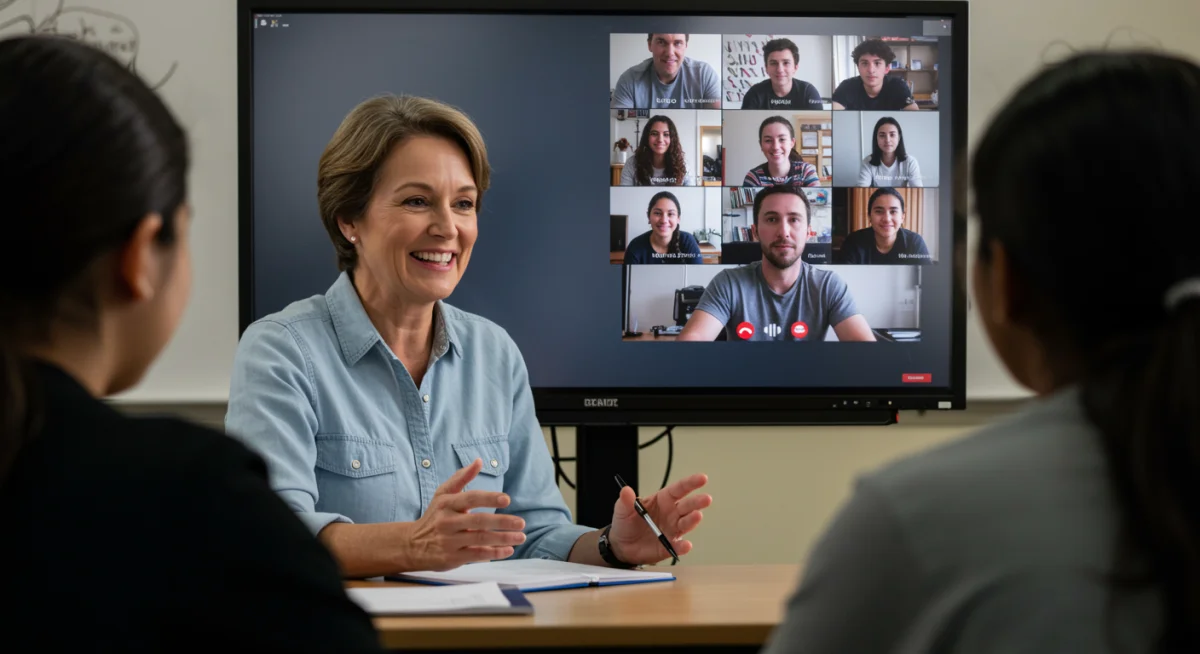
To combat disengagement, educators should leverage a variety of interactive and collaborative digital tools that encourage active participation and peer interaction. These tools can transform passive listening into dynamic engagement, making learning more enjoyable and effective. The goal is to create opportunities for students to build knowledge together, mimicking the collaborative spirit of a physical classroom.
- Utilization of interactive whiteboards and polling features.
- Breakout rooms for small group discussions and projects.
- Collaborative document editing and presentation platforms.
- Gamified learning activities to boost motivation and participation.
Such tools not only make lessons more dynamic but also provide students with a sense of agency and contribution, which is vital for maintaining motivation in a remote setting. Regularly rotating these tools can keep the learning experience fresh and cater to diverse learning styles, ensuring a broader appeal for the student body.
Cultivating a Sense of Community and Belonging
Beyond interactive tools, educators must actively cultivate a strong sense of community and belonging within the virtual classroom. This involves intentional efforts to build rapport among students and between students and teachers. When students feel connected to their peers and educators, they are more likely to engage, take risks, and seek help when needed.
This can be achieved through various non-academic activities, such as virtual show-and-tell sessions, themed dress-up days, or even informal online social gatherings. Establishing clear guidelines for respectful online communication and encouraging empathy are also crucial. A strong virtual community acts as a protective factor against feelings of isolation and contributes significantly to overall student well-being.
In conclusion, fostering engaging and inclusive virtual learning environments is about more than just technology; it’s about intentional design and continuous effort to build connection, interaction, and a shared sense of purpose among students and educators. This proactive approach ensures that remote learning remains a rich and supportive experience for all.
Strategy 3: Enhancing Digital Literacy and Responsible Technology Use
The third pivotal strategy for US educators in 2025 involves significantly enhancing students’ digital literacy and promoting responsible technology use. As remote learning increasingly integrates digital platforms into daily education, it becomes imperative that students possess the skills not only to navigate these tools effectively but also to understand the implications of their online presence. This strategy empowers students to be safe, discerning, and productive digital citizens.
Beyond merely teaching how to use software, this approach delves into critical thinking about online information, understanding digital ethics, and managing screen time effectively. It prepares students for a future where digital interactions are ubiquitous, ensuring their well-being extends into their online lives.
Teaching Critical Evaluation of Online Information
In an age of abundant and often unfiltered online content, teaching students how to critically evaluate information is more important than ever. This skill is fundamental for academic success in remote learning and for navigating the broader digital world responsibly. Educators must guide students in distinguishing credible sources from misinformation and understanding biases.
- Workshops on identifying fake news and unreliable websites.
- Discussions on media literacy and propaganda.
- Exercises in cross-referencing information from multiple sources.
- Developing skepticism towards sensationalized or unverified claims.
By equipping students with these analytical tools, educators not only improve their research capabilities but also protect them from the psychological distress that can arise from exposure to misleading or harmful content. This critical evaluation skill fosters intellectual independence and resilience in the digital sphere.
Promoting Healthy Digital Habits and Screen Time Management
Another critical aspect of enhancing digital literacy is promoting healthy digital habits and effective screen time management. The increased reliance on screens for remote learning can lead to eye strain, disrupted sleep patterns, and reduced physical activity, all of which negatively impact well-being. Educators have a role in guiding students toward a balanced digital lifestyle.
This includes educating students about the importance of taking breaks, setting boundaries for device use, and understanding the impact of digital overload on mental health. Encouraging offline activities, physical exercise, and sufficient sleep are integral components of this strategy. Schools can provide resources and tips for families to support these habits at home.
In conclusion, enhancing digital literacy and promoting responsible technology use is not just about technical proficiency; it’s about fostering informed, critical, and healthy digital citizens. This strategy ensures that students can harness the power of remote learning while safeguarding their overall well-being in an increasingly digital world.
Addressing Equity and Access in Remote Learning
A critical consideration underpinning all strategies for supporting student well-being in remote learning is the imperative to address issues of equity and access. The digital divide continues to be a significant barrier for many students in the US, exacerbating existing inequalities and negatively impacting their ability to participate fully and benefit from remote education. US educators in 2025 must actively work to bridge these gaps.
Ensuring equitable access to reliable internet, appropriate devices, and necessary technical support is not just a logistical challenge but a fundamental matter of educational justice. Without these basic provisions, even the most well-intentioned well-being strategies may fall short, leaving vulnerable student populations further behind.
Bridging the Digital Divide
Bridging the digital divide requires a concerted effort from schools, communities, and policymakers. This involves identifying students and families who lack essential resources and implementing programs to provide them with the necessary tools for remote learning. Access to a stable internet connection and a functional device is the absolute minimum requirement for effective participation.
- Providing hotspots or subsidized internet access for low-income families.
- Distributing laptops or tablets to students who lack personal devices.
- Establishing community learning centers with internet access and technical support.
- Offering multilingual technical assistance for families.
Beyond hardware and connectivity, bridging the divide also means ensuring that all students and their families have the digital skills to navigate online platforms. Training sessions and accessible resources can empower parents and guardians to support their children’s remote learning journey more effectively.
Culturally Responsive Remote Pedagogy
To truly achieve equity, educators must also adopt culturally responsive remote pedagogy. This approach acknowledges and values students’ diverse cultural backgrounds, experiences, and languages, integrating them into the curriculum and teaching methods. In a remote setting, where personal connections can be harder to forge, culturally responsive teaching becomes even more vital for fostering inclusion and belonging.
This involves selecting diverse learning materials, adapting teaching styles to accommodate different cultural communication patterns, and actively seeking student input on how to make the learning environment more relevant to their lives. By making remote learning culturally responsive, educators can ensure that all students feel respected, understood, and motivated to engage.
Ultimately, addressing equity and access means recognizing that well-being strategies cannot be one-size-fits-all. They must be tailored and adapted to meet the diverse needs of all students, ensuring that remote learning is an equitable and enriching experience for every learner, regardless of their background or circumstances.
Collaboration: A Key to Comprehensive Well-being Support
Effective support for student well-being in remote learning environments cannot be achieved in isolation. Collaboration is a fundamental pillar that underpins the success of all strategies. US educators in 2025 must foster strong partnerships between various stakeholders: students, parents, school staff, and community organizations. This collaborative ecosystem ensures a comprehensive and consistent approach to supporting student emotional, social, and academic health.
When all parties work together, resources are maximized, communication is streamlined, and a robust support network is built around each student. This collective responsibility helps to identify challenges early and implement timely, effective interventions.
Engaging Parents and Guardians as Partners
Parents and guardians are invaluable partners in supporting student well-being, especially in remote learning settings where much of the learning occurs at home. Establishing open lines of communication and providing resources for parents can significantly enhance a student’s remote learning experience. Schools should actively seek to involve parents in the educational process.
- Regular virtual parent-teacher conferences and workshops.
- Providing parents with resources on digital well-being and screen time.
- Creating platforms for parents to share concerns and feedback.
- Offering training for parents on supporting remote learning at home.
Empowering parents with the knowledge and tools to support their children’s well-being and academic progress at home creates a seamless support system. When home and school environments are aligned in their approach to student welfare, the positive impact on the student is profound.
Leveraging Community Resources and Partnerships
Schools should also actively seek to leverage community resources and forge partnerships with local organizations. These external entities can provide a wealth of support that schools alone may not be able to offer, from mental health services to extracurricular activities that combat isolation. Building these bridges enriches the student experience and extends the support network beyond the school walls.
Collaborating with local mental health clinics, youth centers, libraries, and other educational non-profits can provide additional avenues for students to receive counseling, participate in social activities, or access academic enrichment programs. These partnerships ensure that students have a wider safety net and a broader range of opportunities to thrive.
In essence, collaboration is about building a robust, interconnected support system. By engaging parents, school staff, and community partners, educators can create a holistic environment where every student’s well-being is prioritized and nurtured, even in the dynamic landscape of remote learning.
Professional Development for Educators in Remote Well-being
For US educators to effectively implement the strategies addressing the impact of remote learning on student well-being in 2025, continuous and targeted professional development is indispensable. The demands of remote education require a distinct set of skills and a deeper understanding of student psychological needs in virtual contexts. Investing in educator training is an investment in student success and well-being.
This professional development should not be a one-time event but an ongoing process that adapts to new research, emerging technologies, and the evolving needs of students. Empowered educators are better equipped to identify, support, and foster resilience in their students.
Training in Mental Health First Aid and SEL Integration
A crucial component of professional development is providing educators with training in mental health first aid and effective Social-Emotional Learning (SEL) integration. Mental health first aid equips teachers to recognize the signs of mental health challenges and to respond appropriately, offering initial support and connecting students with professional help. This is particularly vital in remote settings where subtle cues might be missed.
- Workshops on recognizing anxiety, depression, and stress in virtual interactions.
- Training in de-escalation techniques for emotionally distressed students.
- Strategies for integrating SEL activities seamlessly into online lessons.
- Understanding the developmental stages of social-emotional growth in remote contexts.
Furthermore, training on how to effectively integrate SEL into the remote curriculum ensures that these vital skills are not an afterthought but a core component of the learning experience. Educators need practical strategies for fostering empathy, self-regulation, and collaborative problem-solving through digital platforms.
Developing Digital Pedagogical Skills for Engagement
Beyond mental health, professional development must also focus on enhancing educators’ digital pedagogical skills, specifically tailored for engaging students in remote environments. This includes mastering various online tools, designing interactive virtual lessons, and adapting assessment methods for digital platforms. An educator proficient in digital pedagogy can create a more dynamic and less isolating learning experience.
This training should cover best practices for managing virtual classrooms, utilizing multimedia effectively, and fostering active participation in online discussions. It also involves understanding how to personalize learning experiences in a remote setting to cater to diverse student needs and learning styles. When educators are confident and skilled in digital teaching, students benefit from a richer and more supportive learning environment.
In essence, professional development for educators is a cornerstone of any successful remote learning strategy focused on well-being. By equipping teachers with the knowledge and skills in mental health support, SEL, and digital pedagogy, schools can ensure that their educators are prepared to meet the complex needs of students in 2025 and beyond.
| Key Strategy | Brief Description |
|---|---|
| Prioritizing Mental Health | Implement regular check-ins and integrate SEL curricula to support student emotional well-being proactively. |
| Engaging Virtual Environments | Foster interactive and inclusive online spaces using collaborative tools and community-building activities. |
| Enhancing Digital Literacy | Educate students on critical evaluation of online information and promote healthy digital habits and screen time. |
| Addressing Equity & Access | Bridge the digital divide and implement culturally responsive pedagogy to ensure equitable remote learning. |
Frequently Asked Questions About Remote Learning Well-being
Remote learning primarily affects student well-being through increased social isolation, heightened anxiety due to reduced in-person interactions, and academic stress from self-regulation challenges. It can also disrupt routines, leading to fatigue and decreased motivation, making emotional support crucial for students.
Integrating SEL in remote education helps students develop self-awareness, manage emotions, build healthy relationships, and make responsible decisions. These skills are vital for coping with stress, fostering resilience, and enhancing overall emotional intelligence in a virtual learning environment, leading to better academic outcomes.
Educators can ensure engaging and inclusive virtual environments by using interactive tools like breakout rooms and collaborative documents, fostering a sense of community through non-academic activities, and promoting respectful online communication. This approach helps combat isolation and encourages active participation from all students.
Digital literacy is crucial because it empowers students to critically evaluate online information, identify misinformation, and manage screen time effectively. These skills protect them from digital overload, promote healthy online habits, and reduce psychological distress, ensuring they are discerning and responsible digital citizens in their learning journey.
Parents play a vital role by partnering with educators, maintaining open communication, and reinforcing healthy digital habits at home. Providing a supportive learning environment, monitoring screen time, and seeking school resources when needed significantly contribute to their child’s emotional stability and academic success in remote learning.
Conclusion
Addressing the impact of remote learning on student well-being is a multifaceted challenge that requires a holistic and proactive approach from US educators in 2025. By prioritizing mental health and emotional support, fostering engaging and inclusive virtual environments, and enhancing digital literacy, schools can create resilient and supportive educational experiences. The success of these strategies hinges on continuous professional development for educators and strong collaborative partnerships with parents and the wider community. Ultimately, a focus on student well-being is not just about academic achievement, but about nurturing well-rounded individuals prepared to thrive in an increasingly digital world.
