Product Safety Testing 2026: The 7-Step Compliance Guide

Anúncios
Ensuring compliance in product safety testing by 2026 requires a rigorous, multi-faceted approach encompassing regulatory understanding, comprehensive risk assessment, and continuous adherence to evolving standards to safeguard consumer well-being and market integrity.
The landscape of product development is constantly shifting, with consumer safety at its core. By 2026, the demands for rigorous product safety testing will only intensify. This comprehensive guide outlines a crucial 7-step process for businesses to navigate these complexities, ensuring their products not only meet but exceed regulatory expectations. From initial concept to market release, understanding and implementing these steps is paramount for success and consumer trust.
Anúncios
Understanding the Evolving Regulatory Landscape
The regulatory environment for product safety is a dynamic one, constantly adapting to new technologies, materials, and consumer expectations. Staying abreast of these changes is not merely a legal obligation but a strategic imperative. Manufacturers must engage in continuous learning and monitoring to ensure their products remain compliant in a rapidly evolving market.
Anúncios
In the United States, several federal agencies play pivotal roles in overseeing product safety. These include the Consumer Product Safety Commission (CPSC), which regulates a vast array of consumer products, and the Food and Drug Administration (FDA), responsible for food, drugs, medical devices, and cosmetics. Each agency has specific mandates and testing requirements that manufacturers must meticulously follow.
Key Regulatory Bodies and Their Scope
Understanding which regulatory bodies govern your specific product category is the foundational step in any compliance strategy. Misidentifying or overlooking a relevant agency can lead to significant penalties, product recalls, and irreparable damage to brand reputation. It’s crucial to consider both federal and state-level regulations, as some states may impose additional requirements.
- Consumer Product Safety Commission (CPSC): Oversees a wide range of consumer products, from toys and electronics to household goods, ensuring they do not pose unreasonable risks of injury or death.
- Food and Drug Administration (FDA): Regulates food, drugs, medical devices, cosmetics, and tobacco products, focusing on their safety, efficacy, and security.
- Environmental Protection Agency (EPA): Manages regulations concerning chemical substances, pesticides, and other environmental impacts of products.
- Federal Communications Commission (FCC): Establishes standards for electronic devices that emit radio frequency energy, ensuring they do not interfere with other devices.
The foresight to anticipate future regulatory shifts is also an invaluable asset. This involves tracking legislative proposals, engaging with industry associations, and participating in public comment periods for new rules. Proactive engagement allows businesses to adapt their product designs and testing protocols before new regulations become law, minimizing disruption and ensuring a smoother transition to compliance.
Comprehensive Risk Assessment and Hazard Identification
Before any physical testing begins, a thorough risk assessment is indispensable. This step involves systematically identifying potential hazards associated with a product throughout its lifecycle, from manufacturing and use to disposal. An effective risk assessment goes beyond obvious dangers, considering foreseeable misuse and potential long-term effects.
The process typically begins with a detailed analysis of the product’s design, materials, and intended use. Every component, every interaction, and every potential scenario must be scrutinized. This includes evaluating mechanical hazards like sharp edges or pinch points, electrical hazards such as shock or fire risks, chemical hazards from materials or finishes, and thermal hazards like overheating.
Techniques for Hazard Identification
Several established techniques aid in comprehensive hazard identification. These methods provide structured approaches to uncover potential risks that might otherwise be overlooked, ensuring a robust safety profile for the product.
- Failure Mode and Effects Analysis (FMEA): A systematic, proactive method for identifying potential failure modes in a system, product, or process, and determining their effects.
- Hazard and Operability Study (HAZOP): A structured and systematic examination of a planned or existing process or operation in order to identify and evaluate problems that may represent risks to personnel or equipment.
- Fault Tree Analysis (FTA): A top-down, deductive failure analysis in which an undesired state of a system is analyzed using Boolean logic to combine a series of lower-level events.
Once hazards are identified, the next step is to assess the risk associated with each. This involves estimating the probability of a hazardous event occurring and the severity of its potential consequences. Risk matrices are often used to categorize risks, helping prioritize which hazards require immediate attention and mitigation. This structured approach ensures that resources are allocated effectively to address the most critical safety concerns first, forming a solid basis for subsequent testing protocols.
Developing a Tailored Test Plan
With a clear understanding of regulations and identified risks, the next critical step is to develop a comprehensive and tailored test plan. This plan serves as the blueprint for all subsequent testing activities, ensuring that every relevant safety aspect of the product is thoroughly evaluated. A well-designed test plan is specific, measurable, achievable, relevant, and time-bound (SMART).
The test plan should detail the specific tests to be performed, the standards they must meet, the equipment required, and the methodologies to be employed. It’s not a generic checklist but a bespoke document, reflecting the unique characteristics of the product and its intended market. For instance, a children’s toy will have different testing requirements than a heavy-duty industrial machine, even if both fall under a broad product safety umbrella.
Essential Components of a Robust Test Plan
A robust test plan leaves no stone unturned. It considers environmental factors, user interaction, and potential stresses the product might endure. This meticulous planning prevents costly retesting and delays down the line.
- Applicable Standards: Explicitly list all national and international standards (e.g., ASTM, UL, ISO, IEC) relevant to the product.
- Test Procedures: Detail the step-by-step instructions for each test, including parameters, conditions, and pass/fail criteria.
- Equipment and Calibration: Specify all testing equipment and ensure their calibration records are up-to-date to maintain accuracy and reliability.
- Sampling Plan: Define the number of units to be tested and the justification for the sample size to ensure statistical validity.
The plan should also outline responsibilities, assigning specific tasks to qualified personnel. This ensures accountability and expertise are applied at every stage of the testing process. Regular reviews and updates to the test plan are also vital, especially as product designs evolve or new regulatory guidance emerges. This iterative approach guarantees that the test plan remains current and effective, adapting to any changes that might impact product safety, ultimately leading to more reliable and safer products for consumers.
Executing Rigorous Product Safety Testing
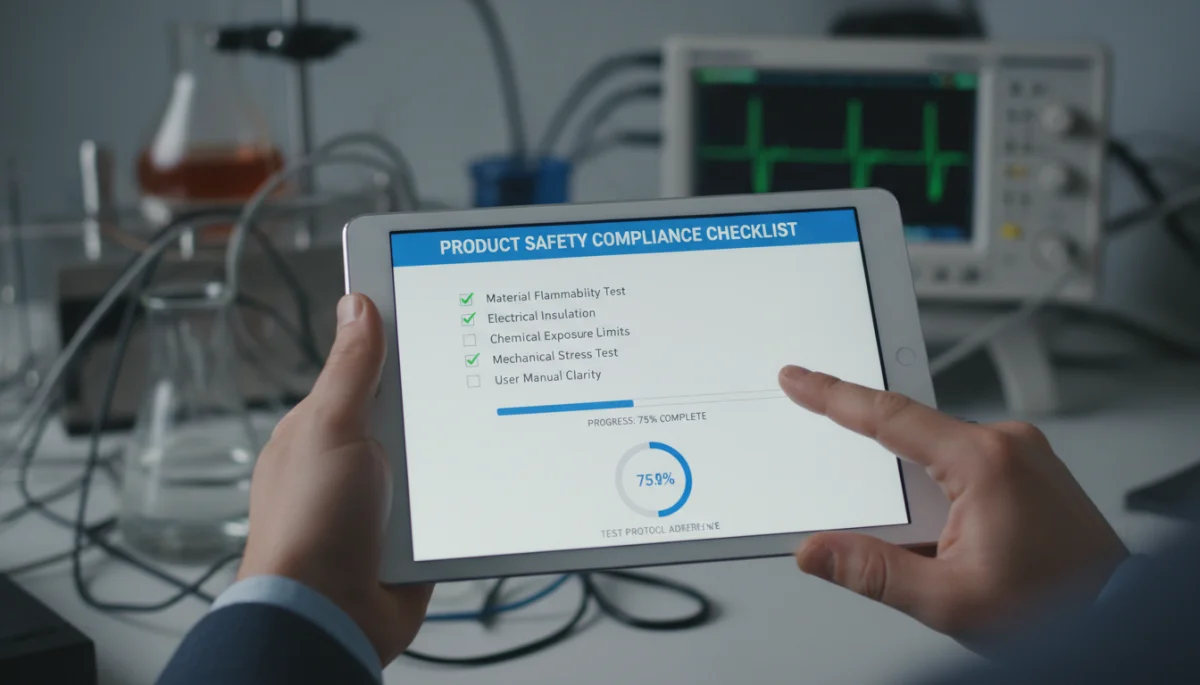
Once the test plan is meticulously crafted, the next phase involves the actual execution of product safety testing. This is where the product is subjected to a series of controlled evaluations to determine its compliance with established safety standards and regulations. The integrity and accuracy of this phase are paramount, as the results directly inform product modifications and market readiness decisions.
Testing can involve a wide array of methods, depending on the product’s nature and identified risks. For electronics, this might include electrical safety tests for insulation, grounding, and surge protection. Mechanical products undergo tests for structural integrity, impact resistance, and fatigue. Chemical products are analyzed for hazardous substances and emissions. Each test is designed to simulate real-world conditions and potential stressors, pushing the product to its limits to identify any weaknesses.
Critical Aspects of Test Execution
Effective test execution demands precision, consistency, and a commitment to detail. Any deviation from the test plan can compromise the validity of the results and potentially lead to unsafe products reaching the market. Therefore, strict adherence to protocols is non-negotiable.
- Controlled Environments: Conduct tests in environments that replicate anticipated use conditions, including temperature, humidity, and vibration, where relevant.
- Qualified Personnel: Ensure that all testing is performed by trained and certified technicians who understand the specific test methodologies and equipment.
- Documentation: Maintain meticulous records of all test procedures, observations, data, and results. This documentation is crucial for audit trails and demonstrating compliance.
- Repeatability and Reproducibility: Design tests to be repeatable (same results under same conditions) and reproducible (same results by different operators/labs), enhancing confidence in the findings.
Beyond the physical execution, the interpretation of results is equally vital. Test data must be analyzed objectively, identifying any failures or anomalies. If a product fails a test, it’s not merely a setback but an opportunity for improvement. This necessitates a feedback loop where test results inform design changes, leading to retesting until full compliance is achieved. The iterative process of testing, analyzing, redesigning, and retesting ensures that the final product is as safe and compliant as possible before it reaches consumers.
Documentation and Certification for Compliance
Once product safety testing is successfully completed, the focus shifts to meticulous documentation and securing the necessary certifications. This step is not just administrative; it’s the tangible proof of compliance, essential for market access, regulatory audits, and demonstrating due diligence. Without proper documentation and certification, even the safest product cannot legally enter the market.
Comprehensive documentation includes all records generated throughout the product development and testing lifecycle. This encompasses design specifications, material safety data sheets, risk assessment reports, the detailed test plan, raw test data, test reports, and any corrective actions taken. This body of evidence forms a complete narrative of the product’s safety journey, providing transparency and accountability.
Key Documents and Certifications
Navigating the various certifications can be complex, as requirements vary significantly by product type and target market. Businesses must identify all applicable certifications early in the process to avoid delays.
- Technical File/Construction File: A comprehensive dossier containing all technical documentation proving product compliance with relevant directives and standards.
- Declaration of Conformity (DoC): A formal statement issued by the manufacturer or authorized representative declaring that the product meets all applicable regulatory requirements.
- Third-Party Certifications: Labels or marks from independent testing laboratories (e.g., UL, Intertek, TÜV) indicating that the product has been tested and complies with specific safety standards.
- Safety Data Sheets (SDS): For products containing chemicals, these provide detailed information on hazards, safe handling, and emergency procedures.
Obtaining certification often involves submitting the technical file and test reports to a notified body or regulatory authority for review. This external validation provides an additional layer of assurance regarding the product’s safety. Maintaining these documents and certifications is an ongoing responsibility; they must be kept up-to-date and readily accessible for the entire lifespan of the product. This proactive approach to documentation and certification is fundamental to building consumer trust and sustaining a compliant market presence.
Post-Market Surveillance and Continuous Improvement
Achieving initial compliance and launching a product is not the end of the safety journey; it’s just the beginning. Post-market surveillance (PMS) is a crucial, ongoing process that involves monitoring a product’s safety and performance once it’s available to consumers. This continuous vigilance ensures that unexpected issues are identified and addressed promptly, maintaining consumer safety and regulatory adherence throughout the product’s lifecycle.
PMS activities include tracking customer complaints, analyzing incident reports, monitoring social media for safety concerns, and staying informed about new scientific or technical information related to the product. It’s about listening to the market and gathering real-world data that might not emerge during pre-market testing. This feedback loop is invaluable for identifying unforeseen hazards, design flaws, or misuse patterns that could compromise safety.
Strategies for Effective Post-Market Surveillance
An effective PMS system is proactive, not reactive. It integrates various data sources and establishes clear protocols for responding to identified issues. This ensures that potential problems are detected early and managed efficiently, preventing widespread harm.
- Customer Feedback Systems: Implement robust systems for collecting and analyzing customer complaints, reviews, and inquiries related to product safety.
- Incident Reporting: Establish clear procedures for reporting and investigating any product-related incidents, injuries, or near misses.
- Market Trend Analysis: Monitor industry-wide safety trends, emerging hazards, and competitor product issues that might also affect your offerings.
- Regular Product Audits: Periodically re-evaluate products already on the market through sampling and testing to ensure continued compliance and performance.
When issues are identified through PMS, a robust corrective and preventive action (CAPA) process must be initiated. This involves investigating the root cause of the problem, implementing necessary design changes or manufacturing process adjustments, and potentially issuing product recalls or safety notices. The insights gained from PMS are also critical for continuous product improvement, informing future design iterations and testing protocols. This ongoing commitment to safety, from initial design to post-market monitoring, reinforces a company’s dedication to consumer well-being and strengthens its market credibility.
Training and Culture of Safety
Beyond processes and documentation, the human element is fundamental to ensuring product safety. A robust training program and a deeply ingrained culture of safety are indispensable for sustained compliance. Employees at all levels, from design and manufacturing to sales and customer service, must understand their role in upholding safety standards and be empowered to act on potential concerns.
Training should be comprehensive and continuous, covering regulatory requirements, company safety policies, specific testing procedures, and the importance of meticulous documentation. It’s not a one-time event but an ongoing investment in human capital. New employees need thorough onboarding, and existing staff require regular refresher courses and updates on evolving standards or new product lines. This ensures that knowledge remains current and consistent across the organization.
Fostering a Proactive Safety Culture
A true culture of safety transcends mere compliance; it’s about making safety a core value that influences every decision and action. This requires strong leadership commitment and a clear communication strategy.
- Leadership Buy-in: Senior management must visibly champion safety initiatives, allocating necessary resources and demonstrating their commitment through actions.
- Open Communication Channels: Create an environment where employees feel comfortable reporting safety concerns or potential hazards without fear of reprisal.
- Empowerment: Empower employees to stop production or question processes if they identify a potential safety risk, fostering a sense of ownership over product integrity.
- Recognition and Rewards: Acknowledge and reward individuals or teams who demonstrate exceptional commitment to safety, reinforcing desired behaviors.
By fostering a proactive safety culture, companies move beyond merely reacting to regulations. They cultivate an environment where safety is integrated into every stage of the product lifecycle, from initial concept to end-of-life. This not only minimizes risks and ensures compliance but also enhances brand reputation, builds consumer trust, and ultimately contributes to long-term business success. A well-trained workforce, coupled with a strong safety culture, is the ultimate safeguard against product safety failures and a cornerstone of market leadership in 2026 and beyond.
| Key Step | Brief Description |
|---|---|
| Regulatory Understanding | Continuously monitor and adapt to evolving federal and state product safety regulations. |
| Risk Assessment | Systematically identify and evaluate product hazards from design to disposal. |
| Tailored Test Plan | Develop a specific, measurable plan detailing tests, standards, and equipment. |
| Post-Market Surveillance | Monitor product safety and performance after market launch through feedback and incident tracking. |
Frequently Asked Questions About Product Safety Testing
Product safety testing is critical for 2026 due to rapidly evolving technologies, stricter global regulations, and heightened consumer expectations for safe products. Proactive testing mitigates risks, prevents recalls, builds brand trust, and ensures market access in a competitive landscape.
Risk assessment is foundational, identifying potential hazards before testing begins. It analyzes product design, materials, and usage scenarios to determine probability and severity of harm. This process guides the development of targeted test plans, ensuring efficient resource allocation and comprehensive safety coverage.
Regulatory bodies like the CPSC and FDA set mandatory safety standards and requirements that products must meet. They define specific tests, acceptable limits, and documentation protocols. Compliance with their guidelines is essential for legal market entry and avoiding penalties, ensuring consumer protection.
Post-market surveillance involves continuously monitoring a product’s safety and performance after it’s sold. It helps identify unforeseen issues, defects, or misuse patterns that pre-market testing might miss. This ongoing vigilance allows for prompt corrective actions, maintaining consumer trust and preventing widespread safety incidents.
Absolutely. A strong safety culture, driven by leadership and employee training, integrates safety into every business process. It fosters proactive hazard identification and reporting, going beyond mere regulatory adherence. This internal commitment significantly enhances compliance effectiveness, reduces risks, and improves overall product quality and brand reputation.
Conclusion
Ensuring compliance with product safety testing requirements by 2026 is a multifaceted and continuous endeavor, demanding a proactive and comprehensive approach. From meticulously understanding the dynamic regulatory landscape and conducting thorough risk assessments to developing tailored test plans, executing rigorous evaluations, and maintaining impeccable documentation, each step is critical. Moreover, the commitment extends beyond product launch, necessitating robust post-market surveillance and fostering a company-wide culture of safety. By diligently implementing these seven steps, businesses can not only meet statutory obligations but also build an invaluable foundation of consumer trust and market leadership in an increasingly safety-conscious world. This holistic strategy is the cornerstone of sustainable success and responsible innovation.
