Professional Development for Educators 2026: Budget-Friendly Impact
Anúncios
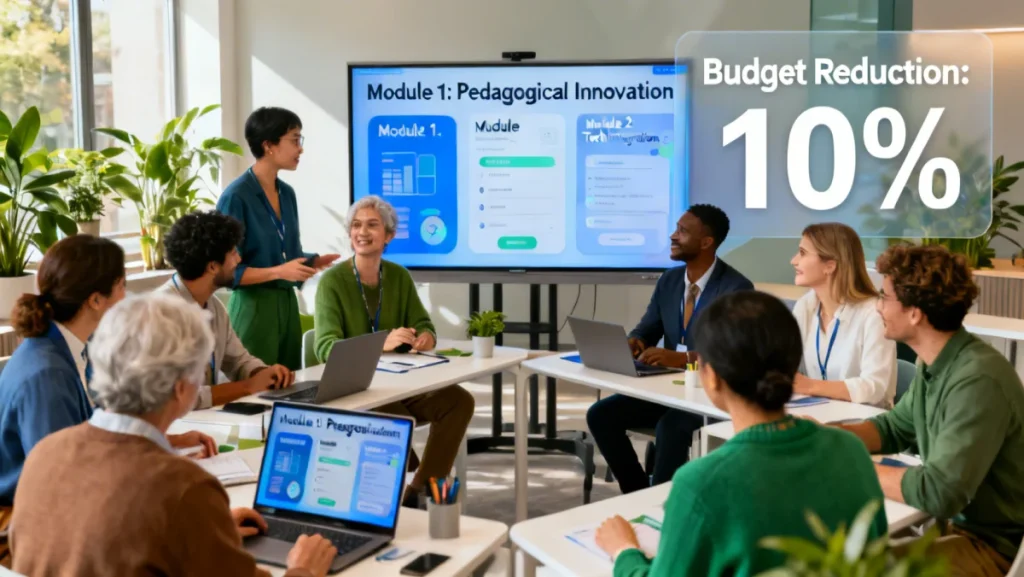
By leveraging strategic planning and innovative approaches, educator professional development in 2026 can achieve significant impact despite a 10% budget reduction, focusing on high-return, cost-effective growth opportunities.
Anúncios
As we look towards 2026, the landscape of education continues to evolve rapidly, demanding that educators remain at the forefront of pedagogical innovation and technological integration. However, the reality of budget constraints often presents a significant challenge. This article delves into how professional development for educators in 2026 can be optimized to maximize impact, even with a projected 10% reduction in available funds. It’s about smart choices, strategic investments, and fostering a culture of continuous, cost-effective learning.
Anúncios
Rethinking Traditional Professional Development Models
The traditional model of professional development, often characterized by expensive, one-off conferences and workshops, is increasingly unsustainable, especially when facing budget cuts. Schools and districts must critically evaluate these methods and explore more agile, integrated, and cost-effective alternatives. This shift isn’t just about saving money; it’s about creating more meaningful and sustained learning experiences for educators.
Moving away from a ‘one-size-fits-all’ approach allows for customized learning paths that directly address individual and institutional needs. This personalized approach can lead to higher engagement and more relevant skill acquisition, ultimately translating into better classroom outcomes. The focus should be on building internal capacity and leveraging existing resources effectively.
Leveraging Internal Expertise and Peer Learning
One of the most underutilized resources within any educational institution is the collective expertise of its own staff. Empowering educators to share their knowledge and skills with colleagues can create a powerful, low-cost professional development ecosystem.
- Peer Coaching Programs: Establish structured programs where experienced educators mentor and coach their less experienced counterparts, fostering skill development and collaborative problem-solving.
- Teacher-Led Workshops: Encourage teachers to design and deliver workshops on topics where they possess specialized knowledge, turning internal talent into a valuable training resource.
- Professional Learning Communities (PLCs): Facilitate the formation of PLCs where educators can regularly meet to discuss best practices, analyze student data, and collaboratively develop instructional strategies.
By harnessing internal talent, schools can significantly reduce reliance on external consultants and expensive programs, making professional development for educators in 2026 more sustainable. This approach not only saves money but also builds a stronger, more cohesive professional community.
Embracing Digital and Blended Learning Solutions
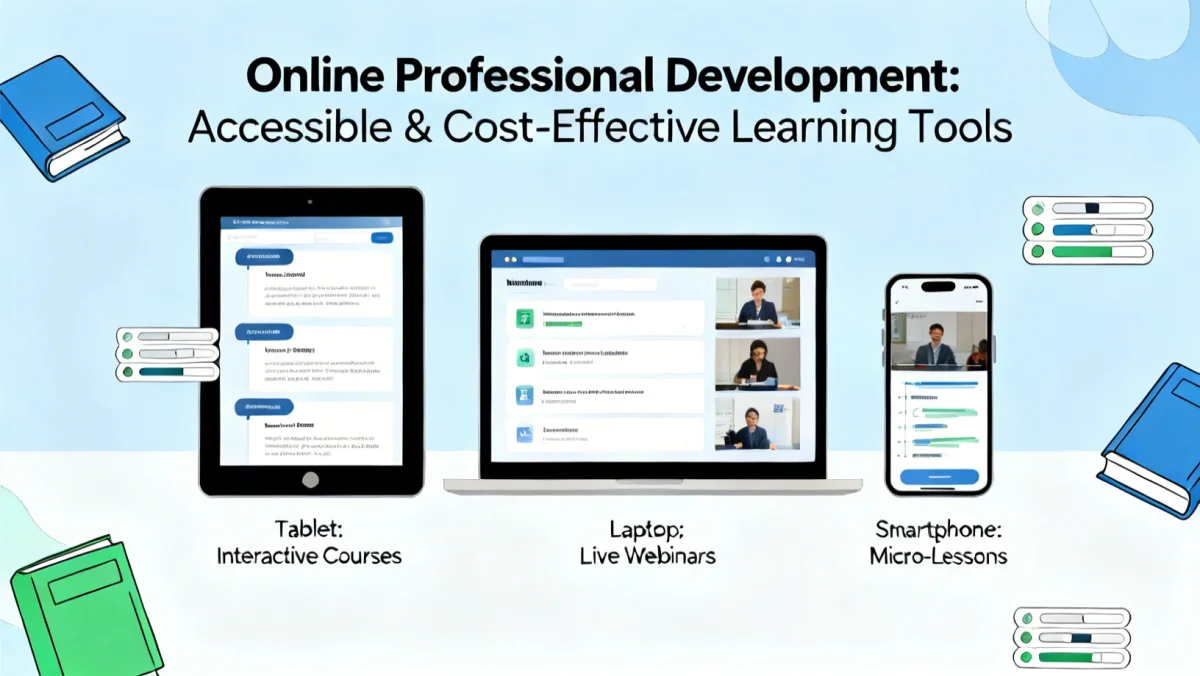
The digital revolution offers unparalleled opportunities for cost-effective and flexible professional development. Online platforms, webinars, and blended learning models can provide high-quality training without the associated travel, venue, and material costs of in-person events. The key is to select platforms and content that are engaging, relevant, and accessible.
Digital solutions also offer the advantage of asynchronous learning, allowing educators to engage with content at their own pace and on their own schedule, which is particularly beneficial for busy professionals. This flexibility can increase participation rates and ensure that learning is integrated seamlessly into their daily routines.
Exploring Free and Low-Cost Online Resources
The internet is brimming with high-quality educational resources that are either free or available at a minimal cost. Curating and recommending these resources can be a highly effective strategy for budget-conscious professional development.
- MOOCs (Massive Open Online Courses): Platforms like Coursera, edX, and Khan Academy offer a vast array of courses, many of which are free to audit or available at a reduced cost for certification.
- Educational Webinars and Podcasts: Numerous organizations and experts offer free webinars and podcasts on current educational trends, research, and instructional strategies.
- Open Educational Resources (OER): Encourage the use and creation of OERs, which are freely accessible, openly licensed instructional materials that can be adapted and shared.
Integrating these digital tools into a comprehensive professional development plan can provide educators with continuous learning opportunities without straining the budget. This approach makes professional development for educators in 2026 more equitable and accessible for all staff members.
Strategic Partnerships and Grant Opportunities
Even with budget reductions, external funding and collaborative partnerships can play a crucial role in sustaining high-quality professional development. Identifying and securing grants, as well as forming alliances with universities, non-profits, and educational technology companies, can unlock resources that would otherwise be unavailable.
These partnerships can offer discounted training programs, access to cutting-edge research, and opportunities for pilot programs that benefit both the educators and the partner organization. It requires proactive outreach and a clear understanding of mutual benefits.
Identifying and Applying for Educational Grants
Grants from federal, state, and private foundations are often available specifically for educator professional development. Districts should dedicate resources to researching these opportunities and crafting compelling proposals.
- Federal Programs: Explore grants from the U.S. Department of Education, which often fund initiatives related to teacher quality and professional growth.
- State-Level Funding: Many state education departments offer grants to support local districts in their professional development efforts.
- Private Foundations: Research foundations with a focus on education, teacher development, or specific subject areas, as they often have funding cycles for relevant projects.
A well-written grant proposal can secure significant funding, allowing for robust professional development for educators in 2026 that might otherwise be out of reach due to budget constraints.
Measuring Impact and Demonstrating ROI
In an era of reduced budgets, demonstrating the return on investment (ROI) for professional development is more critical than ever. Schools must move beyond simply tracking attendance and instead focus on measuring the actual impact of training on teaching practices and, ultimately, student outcomes. This data-driven approach justifies ongoing investment and helps refine future programs.
Effective evaluation frameworks should be built into every professional development initiative from the outset. This ensures that resources are allocated to programs that genuinely contribute to educator growth and improved student learning. Transparency in reporting these outcomes can also build trust with stakeholders.
Developing Robust Evaluation Frameworks
To truly understand the impact of professional development, a comprehensive evaluation strategy is essential. This strategy should include both quantitative and qualitative measures.
- Pre- and Post-Assessments: Use surveys, quizzes, or observation rubrics to gauge changes in educator knowledge, skills, and confidence before and after training.
- Classroom Observations: Conduct observations to assess the transfer of learned strategies into daily teaching practices.
- Student Achievement Data: Analyze student performance data to identify correlations between professional development and improvements in learning outcomes.
By meticulously tracking and reporting these metrics, educational leaders can clearly articulate the value of professional development for educators in 2026, even when operating with a reduced budget.
Cultivating a Culture of Continuous Learning
Beyond formal training programs, fostering an intrinsic desire for continuous learning among educators is paramount. A culture where learning is valued, celebrated, and integrated into daily practice can significantly enhance professional growth without always requiring direct financial investment. This involves creating supportive environments where experimentation and reflection are encouraged.
When educators feel empowered to take ownership of their professional growth, they become more proactive in seeking out learning opportunities, both formal and informal. This self-directed learning can be incredibly powerful and cost-effective, supplementing structured development programs.
Promoting Self-Directed Learning and Reflection
Encourage educators to take an active role in their own professional journeys by providing tools and opportunities for self-reflection and independent study.
- Personalized Learning Plans: Support educators in developing individual professional learning plans that align with their goals and institutional priorities.
- Reflective Journals and Portfolios: Encourage the use of journals or digital portfolios to document learning, reflect on practices, and track growth over time.
- Access to Research and Literature: Provide easy access to educational research, academic journals, and relevant professional literature to keep educators informed of current trends and best practices.
By nurturing a culture that values and supports continuous, self-directed learning, schools can ensure that professional development for educators in 2026 remains vibrant and impactful, even with budget limitations.
Innovating with Micro-credentials and Stackable Learning
The future of professional development is increasingly moving towards more granular, flexible, and competency-based learning. Micro-credentials and stackable learning modules offer an agile way for educators to acquire specific skills and demonstrate proficiency without committing to lengthy, expensive programs. These smaller, focused units of learning are particularly well-suited for budget-constrained environments.
Micro-credentials can be earned through various providers, including universities, professional organizations, and even school districts themselves. They allow educators to target specific areas for growth, such as digital literacy, differentiated instruction, or trauma-informed practices, and receive recognition for their achievements.
Designing and Implementing Micro-credential Programs
Schools can either leverage existing micro-credential offerings or develop their own bespoke programs tailored to specific needs and contexts.
- Curated External Options: Research and recommend reputable external providers of micro-credentials that align with district goals and are cost-effective.
- Internal Micro-credential Development: Design short, focused learning modules based on internal expertise, culminating in a credential that recognizes mastery of a specific skill or competency.
- Stackable Pathways: Structure micro-credentials in a way that allows educators to ‘stack’ them, building towards broader certifications or advanced qualifications over time.
This innovative approach to professional development for educators in 2026 offers a flexible, efficient, and budget-friendly way to ensure educators are equipped with the precise skills needed for evolving educational challenges.
| Key Strategy | Brief Description |
|---|---|
| Internal Expertise | Leveraging staff knowledge through peer coaching and teacher-led workshops to reduce external costs. |
| Digital Learning | Utilizing MOOCs, webinars, and OERs for flexible, low-cost training opportunities. |
| Strategic Partnerships | Securing grants and collaborating with external organizations for additional resources and discounted programs. |
| Micro-credentials | Implementing focused, competency-based learning modules for targeted skill acquisition. |
Frequently Asked Questions About Educator Professional Development in 2026
Schools can maintain quality by prioritizing internal expertise, leveraging free and low-cost digital resources, and forming strategic partnerships. Focusing on high-impact, targeted training rather than generic programs is crucial for efficiency.
Peer coaching, teacher-led workshops, Professional Learning Communities (PLCs), asynchronous online courses (MOOCs), and curated webinars are highly cost-effective. Utilizing Open Educational Resources (OER) also significantly reduces expenses.
Digital tools provide flexible, scalable, and often free or low-cost access to a vast array of learning content. They eliminate travel and venue costs, allowing educators to learn at their own pace and convenience, maximizing reach and impact.
Micro-credentials offer focused, competency-based learning, allowing educators to acquire specific skills efficiently. They provide recognized validation for targeted professional growth, which is adaptable and cost-effective, especially with budget constraints.
Measure ROI through pre/post-assessments, classroom observations, and analysis of student achievement data. Demonstrating clear linkages between training and improved teaching practices or student outcomes justifies investment and aids future planning.
Conclusion
Navigating the complexities of professional development for educators in 2026, particularly with a 10% budget reduction, demands a paradigm shift from traditional models to innovative, cost-effective, and highly impactful strategies. By embracing internal expertise, leveraging digital and blended learning solutions, forging strategic partnerships, and rigorously measuring impact, educational institutions can not only sustain but also elevate the quality of professional growth opportunities for their staff. The focus must be on fostering a culture of continuous learning, personalized pathways, and efficient resource allocation. This proactive approach ensures that educators remain well-equipped to meet the evolving demands of the classroom, ultimately benefiting student success and the broader educational community.
