Environmental Testing: 20% Warranty Claim Reduction for 2026 Products
Anúncios
Environmental testing is a critical proactive measure that can reduce product warranty claims by optimizing design and manufacturing processes, leading to significant cost savings and improved customer trust.
The landscape of product development is constantly evolving, with consumers demanding higher quality and greater reliability. In this competitive environment, understanding environmental testing impact is paramount. For companies aiming to safeguard their reputation and bottom line, proactive environmental testing isn’t just a best practice; it’s a strategic imperative that could lead to a remarkable 20% reduction in warranty claims for products launching in 2026.
Anúncios
Understanding the Core of Environmental Testing
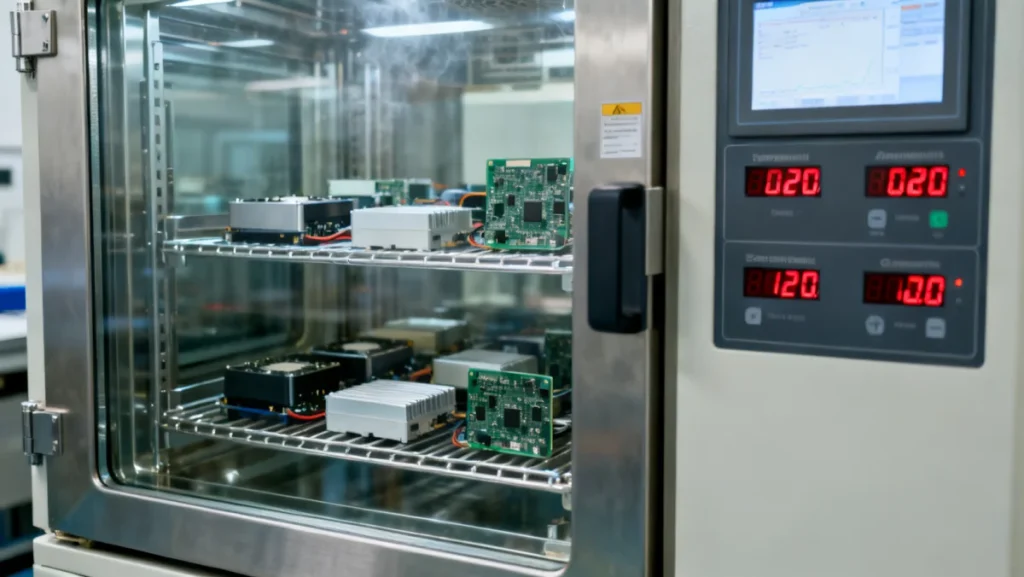
Environmental testing involves subjecting products to various simulated environmental conditions they might encounter during their lifecycle, from manufacturing and shipping to end-user operation. This rigorous process helps identify potential weaknesses and failure points before a product reaches the market, thereby preventing costly warranty claims and maintaining brand integrity. It’s about ensuring a product can withstand the real world.
Anúncios
The goal is not to break the product, but to understand its limits and design vulnerabilities. By replicating extreme temperatures, humidity levels, vibrations, and other stressors, manufacturers gain invaluable insights into how their products will perform over time and under duress. This early detection of flaws is crucial for iterative design improvements.
Types of Environmental Stressors
- Temperature Cycling: Simulating rapid changes between hot and cold to stress material expansion and contraction.
- Humidity Exposure: Testing resistance to moisture, which can cause corrosion or electrical malfunctions.
- Vibration Testing: Replicating transport and operational vibrations to check structural integrity and component security.
- Salt Spray Testing: Assessing corrosion resistance in marine or highly saline environments.
The comprehensive nature of environmental testing ensures that every potential environmental threat is considered, leading to a more robust and reliable final product. This meticulous approach directly contributes to a reduction in post-launch issues and, consequently, a decrease in warranty payouts.
The Direct Link Between Testing and Warranty Claims
Warranty claims represent a significant financial burden for manufacturers, encompassing not just the cost of replacement or repair, but also logistical expenses, administrative overhead, and intangible damages like reputational harm. Environmental testing acts as a powerful preventative tool, directly mitigating these costs.
By identifying design flaws or material weaknesses early in the development cycle, companies can implement corrective actions before mass production. This proactive stance is far more cost-effective than addressing widespread failures once products are already in consumers’ hands. The investment in testing pays dividends by avoiding much larger expenses down the line.
Consider a scenario where a new electronic device is launched without adequate humidity testing. If moisture ingress becomes a common issue in humid climates, the manufacturer faces a cascade of warranty claims, product recalls, and potentially a damaged brand image. Thorough environmental testing would have caught this vulnerability, allowing for design modifications such as improved seals or conformal coatings.
Quantifiable Savings from Proactive Testing
- Reduced Repair Costs: Fewer product failures mean fewer repairs or replacements.
- Lower Logistics Expenses: Less need for reverse logistics to handle returned faulty products.
- Improved Customer Satisfaction: Reliable products lead to happier customers and positive word-of-mouth.
- Enhanced Brand Reputation: A reputation for quality attracts more customers and builds trust.
The data consistently shows that companies investing in robust environmental testing programs experience fewer product failures in the field, translating directly into fewer warranty claims. This is not merely anecdotal; it’s a measurable outcome that impacts the bottom line significantly.
Forecasting a 20% Reduction for 2026 Products
The projection of a 20% reduction in warranty claims for 2026 products is not an arbitrary figure; it’s based on industry trends, advancements in testing methodologies, and a heightened awareness of product longevity. As testing becomes more sophisticated and integrated earlier into the design process, the potential for failure detection and prevention grows exponentially.
Manufacturers are increasingly adopting advanced simulation tools and more comprehensive testing protocols. This includes a shift towards accelerated life testing, which compresses years of environmental exposure into shorter periods, providing quicker feedback on product durability. The continuous refinement of these techniques allows for a more accurate prediction of product lifespan and potential failure modes.
Furthermore, the integration of data analytics and artificial intelligence into the testing process enables more precise identification of critical stress points and optimized design solutions. This technological synergy is driving the projected savings.
Factors Contributing to the 20% Reduction
- Advanced Simulation Tools: Virtual testing reduces the need for expensive physical prototypes.
- Integrated Design & Test Cycles: Testing is no longer an afterthought but an integral part of design.
- Big Data Analytics: Leveraging failure data to refine future product designs.
- Standardized Testing Protocols: Adherence to rigorous international and industry standards.
The cumulative effect of these advancements empowers manufacturers to launch products in 2026 with an unprecedented level of confidence in their reliability, directly translating to fewer field failures and a significant drop in warranty service requests.
Key Environmental Testing Methodologies for 2026
To achieve the ambitious goal of reducing warranty claims by 20% for 2026 products, manufacturers must embrace a suite of advanced environmental testing methodologies. These are designed to push products to their limits, simulating every conceivable stressor they might encounter.
Beyond traditional temperature and humidity tests, modern approaches include highly specialized assessments. For instance, HALT (Highly Accelerated Life Test) and HASS (Highly Accelerated Stress Screen) are becoming standard. HALT rapidly identifies design weaknesses by subjecting products to extreme thermal and vibration stresses beyond their specified limits, while HASS screens for manufacturing defects in production units.
Another crucial area is electromagnetic compatibility (EMC) testing, ensuring products function correctly without interfering with other devices and are immune to external electromagnetic disturbances. This is increasingly vital in a world saturated with electronic devices. Similarly, ingress protection (IP) testing rigorously evaluates how well products resist dust and water penetration, a common cause of failure in consumer electronics.
Modern Testing Approaches
- HALT/HASS Testing: Accelerating product aging to find design and manufacturing flaws quickly.
- EMC/EMI Testing: Ensuring proper electromagnetic functioning and interference resistance.
- IP Testing: Assessing protection against solid objects (dust) and liquids (water).
- Corrosion Testing: Exposing products to corrosive agents to evaluate material degradation.
By combining these methodologies, companies can create a comprehensive testing strategy that leaves no stone unturned in the quest for product reliability, directly contributing to the projected reduction in warranty claims.
Implementing Effective Environmental Testing Programs
The effectiveness of environmental testing hinges on its strategic implementation throughout the product development lifecycle. It’s not a one-time event but a continuous process that begins at the conceptual stage and extends through to manufacturing.
Early integration of testing considerations into the design phase allows engineers to make informed decisions about materials, components, and structural integrity. This ‘design for reliability’ approach minimizes the need for costly redesigns later on. Furthermore, establishing clear testing protocols and standards is essential. These protocols should align with industry best practices and regulatory requirements, ensuring consistency and thoroughness.
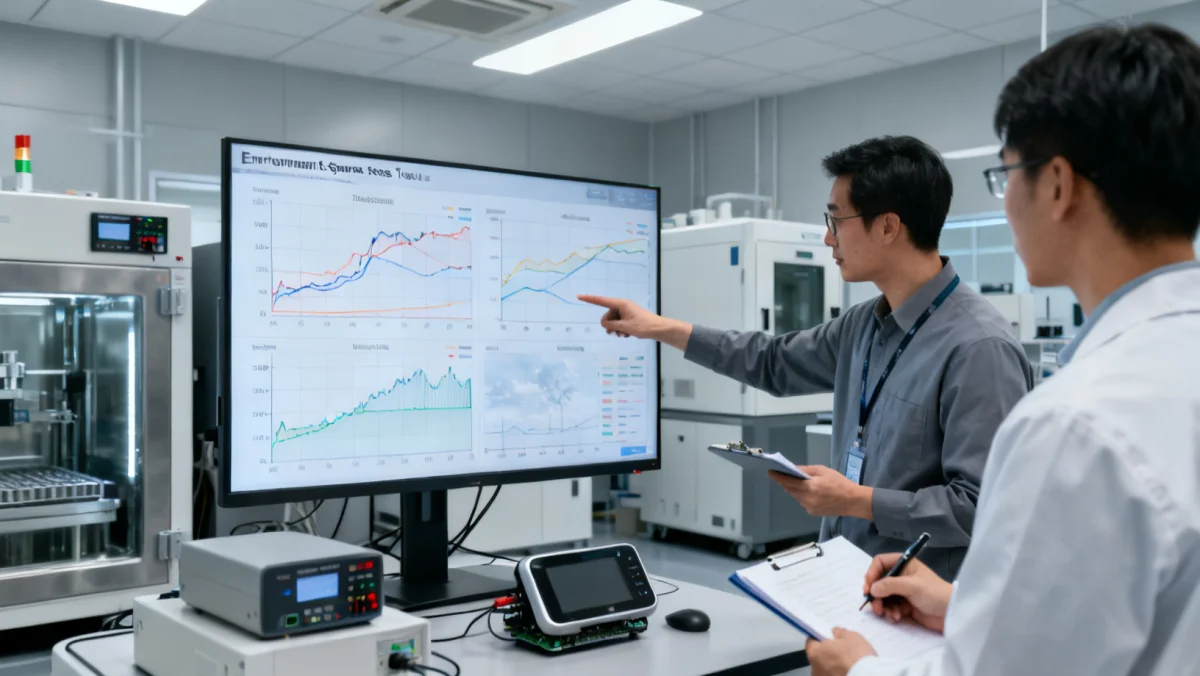
Investing in skilled personnel and advanced testing equipment is also critical. A well-trained team can accurately interpret test results, identify root causes of failure, and recommend effective solutions. The right equipment ensures that tests are conducted precisely and repeatedly, yielding reliable data. Regular calibration and maintenance of testing apparatus are also non-negotiable for data integrity.
Key Steps for Program Implementation
- Early Design Integration: Incorporate testing considerations from the very beginning.
- Standardized Protocols: Develop and adhere to clear, comprehensive testing procedures.
- Skilled Workforce: Invest in training and expertise for testing personnel.
- Advanced Equipment: Utilize state-of-the-art testing chambers and analytical tools.
A well-structured environmental testing program is a cornerstone of quality assurance, directly impacting product reliability and the reduction of warranty claims. It represents a commitment to excellence that resonates with consumers and stakeholders alike.
The Broader Impact: Beyond Warranty Claims
While the reduction in warranty claims is a significant financial benefit, the impact of robust environmental testing extends far beyond mere cost savings. It fundamentally enhances a company’s reputation, fosters customer loyalty, and contributes to sustainable business practices.
A product known for its reliability and durability builds immense trust with consumers. This trust translates into repeat purchases, positive reviews, and strong brand advocacy, all of which are invaluable in today’s competitive market. Companies that consistently deliver high-quality products gain a distinct competitive advantage, attracting a larger customer base and commanding premium pricing.
Moreover, by designing products that last longer and perform better under various conditions, manufacturers contribute to environmental sustainability. Durable products reduce waste by delaying obsolescence and minimizing the need for replacements, aligning with growing consumer demand for eco-friendly goods. This commitment to sustainability can also open up new market opportunities and appeal to environmentally conscious consumers.
Long-Term Benefits of Reliability
- Enhanced Brand Reputation: Be recognized as a provider of high-quality, dependable products.
- Increased Customer Loyalty: Foster a loyal customer base through consistent performance.
- Competitive Advantage: Differentiate from competitors with superior product durability.
- Sustainability Contributions: Reduce waste and promote responsible consumption.
Ultimately, the investment in environmental testing is an investment in the long-term health and success of a business, cultivating a legacy of quality and reliability that benefits both the company and its customers.
| Key Aspect | Brief Description |
|---|---|
| Warranty Claim Reduction | Proactive testing is projected to cut claims by 20% for 2026 products. |
| Core Testing Goal | Identify and mitigate product weaknesses before market release. |
| Methodology Focus | Utilize HALT/HASS, EMC, and IP testing for comprehensive validation. |
| Broader Impact | Enhances brand reputation, customer loyalty, and sustainability efforts. |
Frequently Asked Questions About Environmental Testing
Environmental testing involves subjecting products to controlled simulated conditions like extreme temperatures, humidity, vibration, and corrosive agents. This process helps manufacturers evaluate product durability, identify design flaws, and predict performance under various real-world stresses before products are released to the market.
By uncovering potential failure points early in the development cycle, environmental testing allows engineers to implement corrective measures. This proactive approach prevents widespread product failures once they reach consumers, thereby significantly reducing the number of costly warranty claims, repairs, and associated logistical expenses.
Common environmental factors include temperature (high, low, and cycling), humidity, vibration, shock, dust ingress, water ingress (IP testing), salt spray, and electromagnetic interference (EMI/EMC). The specific tests performed depend on the product’s intended use and the environments it’s expected to encounter.
HALT (Highly Accelerated Life Test) and HASS (Highly Accelerated Stress Screen) are crucial for identifying design weaknesses and manufacturing defects. HALT pushes products beyond their specified limits to find failure modes, while HASS ensures production units meet reliability standards, both contributing to higher product quality and fewer warranty claims.
Beyond reducing warranty costs, environmental testing enhances brand reputation, builds customer loyalty through reliable products, provides a competitive advantage, and contributes to environmental sustainability by promoting longer product lifespans and reducing waste. It fosters overall business resilience and consumer trust.
Conclusion
The evidence is clear: the strategic implementation of environmental testing is not merely an expense but a critical investment that yields substantial returns. For products slated for 2026, the projected 20% reduction in warranty claims underscores the financial benefits. More importantly, it solidifies a company’s commitment to quality, fostering consumer trust and building a foundation for long-term success in a demanding market. Embracing environmental testing is embracing a future of reliable products and satisfied customers.
