Evaluating K-12 EdTech Solutions: US Administrator’s 2025 Framework

Anúncios
A robust framework for US K-12 school administrators to evaluate EdTech solutions in 2025 must prioritize pedagogical alignment, data security, equitable access, and sustainable implementation to ensure genuine educational impact.
The landscape of education is constantly evolving, with technology playing an increasingly pivotal role. For US K-12 school administrators, the task of effectively evaluating K-12 EdTech solutions has become more complex and critical than ever, particularly as we look towards 2025. This article provides a comprehensive framework designed to navigate this intricate process, ensuring that technological integrations genuinely enhance learning outcomes and support educational goals.
Anúncios
Understanding the Evolving EdTech Landscape
The past few years have seen an unprecedented acceleration in the adoption of educational technology. From virtual learning platforms to AI-powered personalized learning tools, the options available to K-12 schools are vast and varied. Understanding these shifts is the first step in making informed decisions for your district.
Anúncios
This dynamic environment requires administrators to be not only technologically aware but also strategic in their procurement and implementation. The sheer volume of new products can be overwhelming, making a structured approach indispensable. Without a clear understanding of current trends and future projections, schools risk investing in solutions that quickly become obsolete or fail to meet specific educational needs.
Key Trends Shaping EdTech in 2025
Several significant trends are poised to redefine EdTech in the coming years. Recognizing these helps in anticipating future requirements and selecting adaptable solutions.
- Personalized Learning Pathways: AI and machine learning are enabling more tailored educational experiences for individual students.
- Immersive Learning Technologies: Virtual and augmented reality (VR/AR) are moving beyond novelty to offer engaging, experiential learning opportunities.
- Data-Driven Instruction: Advanced analytics provide educators with deeper insights into student performance and learning patterns.
- Cybersecurity and Data Privacy: Enhanced protections are paramount given the increasing reliance on digital platforms and student data.
The integration of these trends into a school’s technological ecosystem demands careful consideration of interoperability and long-term viability. Administrators must assess how new solutions will integrate with existing systems and whether they can scale to meet future demands without extensive overhauls.
Establishing a Clear Vision and Pedagogical Alignment
Before any evaluation begins, it is crucial for school administrators to articulate a clear vision for how technology will support their educational philosophy and objectives. EdTech should serve pedagogy, not dictate it. This foundational step ensures that all subsequent evaluations are rooted in the core mission of the school or district.
Defining desired learning outcomes and the specific challenges EdTech is intended to address prevents arbitrary purchases. Solutions should be chosen because they demonstrably enhance teaching and learning, not merely because they are new or popular. This focus helps avoid the pitfall of technology for technology’s sake.
Aligning Technology with Learning Objectives
A rigorous evaluation process must directly link EdTech tools to specific instructional goals. It is not enough for a product to be engaging; it must also be effective in fostering student achievement and skill development.
- Curriculum Integration: How seamlessly does the solution fit into existing curricula and lesson plans?
- Instructional Design: Does it support evidence-based teaching practices and active learning strategies?
- Assessment Capabilities: Does it offer meaningful ways to assess student progress and provide actionable feedback?
- Teacher Workflow: Does it reduce administrative burden and free up teachers to focus on instruction?
Engaging educators in this stage is vital. Their insights into classroom realities and student needs are invaluable for identifying solutions that will truly resonate and be adopted successfully. A solution that looks great on paper but fails in practice due to teacher resistance or impracticality is a wasted investment.
Data Security, Privacy, and Ethical Considerations
In an increasingly interconnected world, the protection of student data is paramount. For US K-12 school administrators, evaluating EdTech solutions in 2025 must place a strong emphasis on robust data security protocols and strict adherence to privacy regulations. Non-compliance can lead to severe legal repercussions and, more importantly, erode trust within the school community.
Understanding federal and state-specific regulations, such as COPPA (Children’s Online Privacy Protection Act) and FERPA (Family Educational Rights and Privacy Act), is non-negotiable. Administrators must ensure that any EdTech vendor demonstrates a clear commitment to these standards and provides transparent policies regarding data collection, usage, and retention. Beyond legal compliance, ethical considerations surrounding algorithmic bias and equitable data access are also gaining prominence.
Ensuring Robust Data Protection
A thorough review of a vendor’s security infrastructure and privacy policies is essential. This includes understanding where data is stored, how it is encrypted, and who has access to it.
- Compliance Audits: Does the vendor undergo regular third-party security and privacy audits?
- Data Ownership: Who retains ownership of student data once it’s entered into the platform?
- Incident Response: What protocols are in place for data breaches and how are stakeholders notified?
- Privacy Policies: Are terms of service and privacy policies easily understandable and transparent for both administrators and parents?
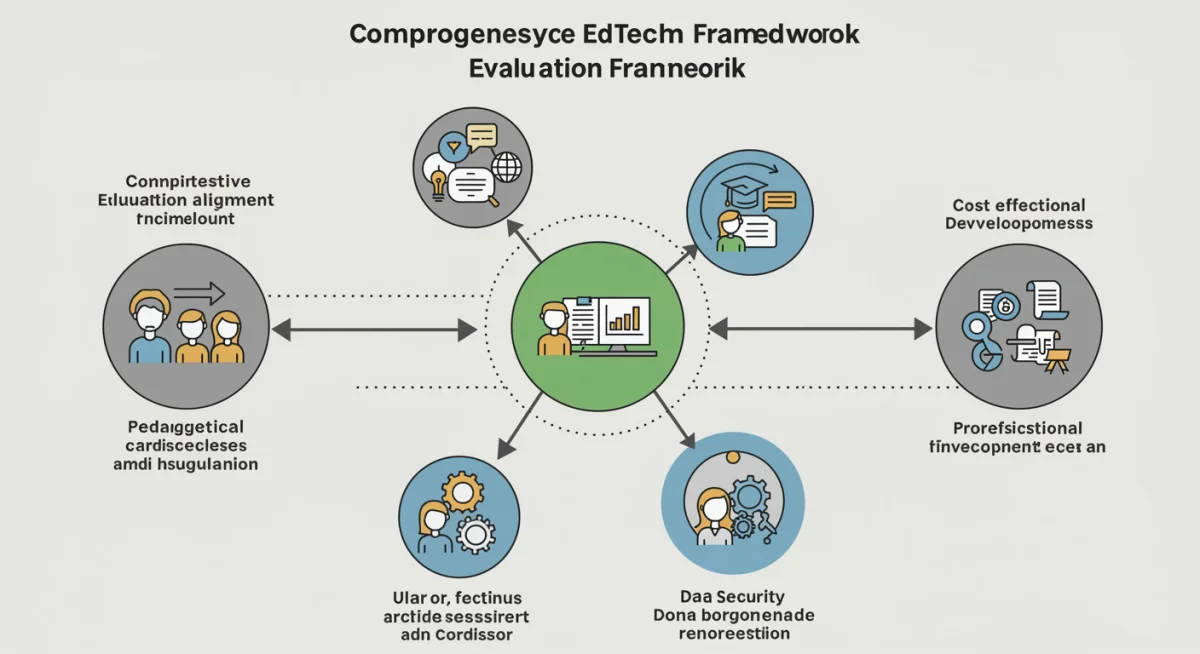
Ethical considerations extend to how data is used to inform instructional decisions. Administrators should question whether algorithms used in EdTech tools promote fairness and avoid perpetuating existing biases. The goal is to leverage data for improvement, not to inadvertently disadvantage certain student groups.
Usability, Accessibility, and Equitable Access
Even the most advanced EdTech solution is ineffective if it isn’t user-friendly or accessible to all students and educators. When evaluating K-12 EdTech solutions, administrators must prioritize intuitive design and universal accessibility to ensure equitable access and maximize adoption rates across the district. This means considering the diverse needs of the student body, including those with disabilities, and the varying technological comfort levels of staff.
A solution that requires extensive technical expertise to operate will likely face resistance from teachers and may not be fully utilized. Similarly, if a platform isn’t accessible to students with visual impairments or other special needs, it creates a significant barrier to learning for a segment of the student population. Equity in access is not just about providing devices; it’s about providing tools that everyone can effectively use.
Key Considerations for Usability and Accessibility
The evaluation process should include hands-on testing by a diverse group of users to gather practical feedback on ease of use and accessibility features.
- Intuitive Interface: Is the platform easy to navigate for students and teachers of all ages and technical proficiencies?
- Accessibility Features: Does it comply with WCAG (Web Content Accessibility Guidelines) standards, offering features like screen reader compatibility, adjustable text sizes, and alternative input methods?
- Device Compatibility: Is the solution compatible with the range of devices used in the district (e.g., Chromebooks, iPads, laptops)?
- Language Support: Does it offer multilingual support for diverse student populations and their families?
Ensuring equitable access also involves addressing the digital divide. Administrators need to consider whether the solution can function effectively with varying internet speeds at home and if offline capabilities are available. The goal is to select tools that truly empower all learners, regardless of their background or individual circumstances.
Professional Development and Ongoing Support
The successful implementation of any EdTech solution hinges significantly on the quality of professional development and ongoing support provided to educators. Even the most innovative tool will fall short of its potential if teachers are not adequately trained or lack access to timely assistance. For US K-12 school administrators, a critical component of evaluating K-12 EdTech solutions in 2025 must be a thorough assessment of the vendor’s commitment to teacher empowerment.
Investment in technology must be matched by an equally robust investment in human capital. Teachers are the primary facilitators of learning, and their comfort and proficiency with new tools directly translate into student engagement and improved outcomes. Without proper training, EdTech can become a source of frustration, leading to underutilization and wasted resources. Administrators should look for vendors who offer comprehensive training packages, not just basic tutorials.
Assessing Vendor Support and Training
A comprehensive professional development plan should extend beyond initial onboarding, offering continuous learning opportunities and responsive technical support.
- Initial Training: Is there hands-on, contextualized training provided for all relevant staff?
- Ongoing PD: Does the vendor offer advanced workshops, webinars, or a community of practice for continuous learning?
- Technical Support: What are the channels for technical assistance (e.g., phone, email, chat) and what are the typical response times?
- Resource Availability: Are there readily accessible online resources, user manuals, and troubleshooting guides?
Consideration should also be given to how the vendor supports administrators in tracking usage and effectiveness. Data on teacher engagement with the platform and professional development can provide valuable insights into where additional support might be needed. A strong partnership with the vendor, characterized by clear communication and mutual commitment to success, is key.
Cost-Effectiveness and Long-Term Sustainability
Financial considerations are always a significant factor for K-12 school districts. When evaluating K-12 EdTech solutions, administrators must look beyond the initial purchase price to assess the total cost of ownership and the long-term sustainability of the investment. This includes not only licensing fees but also costs associated with implementation, maintenance, training, and potential infrastructure upgrades.
A seemingly affordable solution might incur significant hidden costs over time, making it less economical in the long run. Conversely, a higher upfront investment might prove more cost-effective if it offers superior functionality, reduces future upgrade needs, or significantly improves learning outcomes. A thorough cost-benefit analysis is essential to ensure that resources are allocated wisely and sustainably.
Analyzing the Total Cost of Ownership
A holistic financial assessment should encompass all potential expenses throughout the lifecycle of the EdTech solution.
- Licensing and Subscriptions: Are these costs predictable and scalable with student enrollment?
- Implementation Costs: What are the expenses for setup, integration with existing systems, and data migration?
- Hardware Requirements: Does the solution necessitate new devices or upgrades to current infrastructure?
- Maintenance and Support: Are there ongoing fees for updates, bug fixes, and technical assistance?
- Training Expenses: What are the costs associated with initial and ongoing professional development for staff?
Furthermore, administrators should consider the vendor’s financial stability and reputation. A company with a strong track record is more likely to provide consistent support and product development. Evaluating the potential return on investment, both in terms of academic gains and operational efficiencies, provides a clearer picture of the solution’s true value. Prioritizing solutions that offer flexibility and future-proofing capabilities can also contribute to long-term sustainability, minimizing the need for frequent and costly replacements.
| Key Evaluation Area | Brief Description |
|---|---|
| Pedagogical Alignment | Ensuring EdTech tools directly support instructional goals and enhance learning outcomes. |
| Data Security & Privacy | Verifying compliance with regulations like COPPA/FERPA and robust data protection protocols. |
| Usability & Accessibility | Assessing ease of use and adherence to accessibility standards for all students and staff. |
| Cost & Sustainability | Analyzing total cost of ownership, financial viability, and long-term value. |
Frequently Asked Questions About EdTech Evaluation
The most critical factor is pedagogical alignment. An EdTech solution must directly support and enhance established learning objectives and instructional strategies. Without this alignment, even the most advanced technology will fail to deliver meaningful educational impact and may become an unused resource. Focus on how it improves teaching and learning.
Administrators must thoroughly vet vendor privacy policies, ensuring compliance with FERPA and COPPA. Demand transparent data handling practices, inquire about encryption, data storage locations, and incident response plans. Regular audits and clear communication with parents regarding data usage are also essential to maintain trust and legal compliance.
Professional development is crucial because teachers are the primary users and facilitators of EdTech. Adequate training ensures they are confident and proficient in using new tools, integrating them effectively into their teaching, and troubleshooting common issues. Without it, even excellent tools remain underutilized, hindering student engagement and academic gains.
Equitable access means ensuring that all students, regardless of their background, abilities, or home environment, can effectively use and benefit from EdTech solutions. This includes considering accessibility features for students with disabilities, device compatibility, internet access, and multilingual support. The goal is to prevent technology from creating new disparities.
Assessing long-term sustainability involves looking beyond initial costs to the total cost of ownership, including ongoing licensing, maintenance, and future upgrades. Evaluate the vendor’s financial stability, commitment to product development, and the solution’s scalability. Prioritize flexible, future-proof tools that offer clear value and will adapt to evolving educational needs without frequent replacement.
Conclusion
The task of evaluating K-12 EdTech solutions for US school administrators in 2025 is multifaceted, demanding a strategic and comprehensive approach. By prioritizing pedagogical alignment, robust data security and privacy, universal usability and equitable access, continuous professional development, and long-term cost-effectiveness, districts can make informed decisions. This framework serves as a guide to select EdTech solutions that not only meet immediate needs but also foster sustainable, impactful learning environments, ultimately empowering both educators and students for future success in an increasingly digital world.
